← Crime Writers On...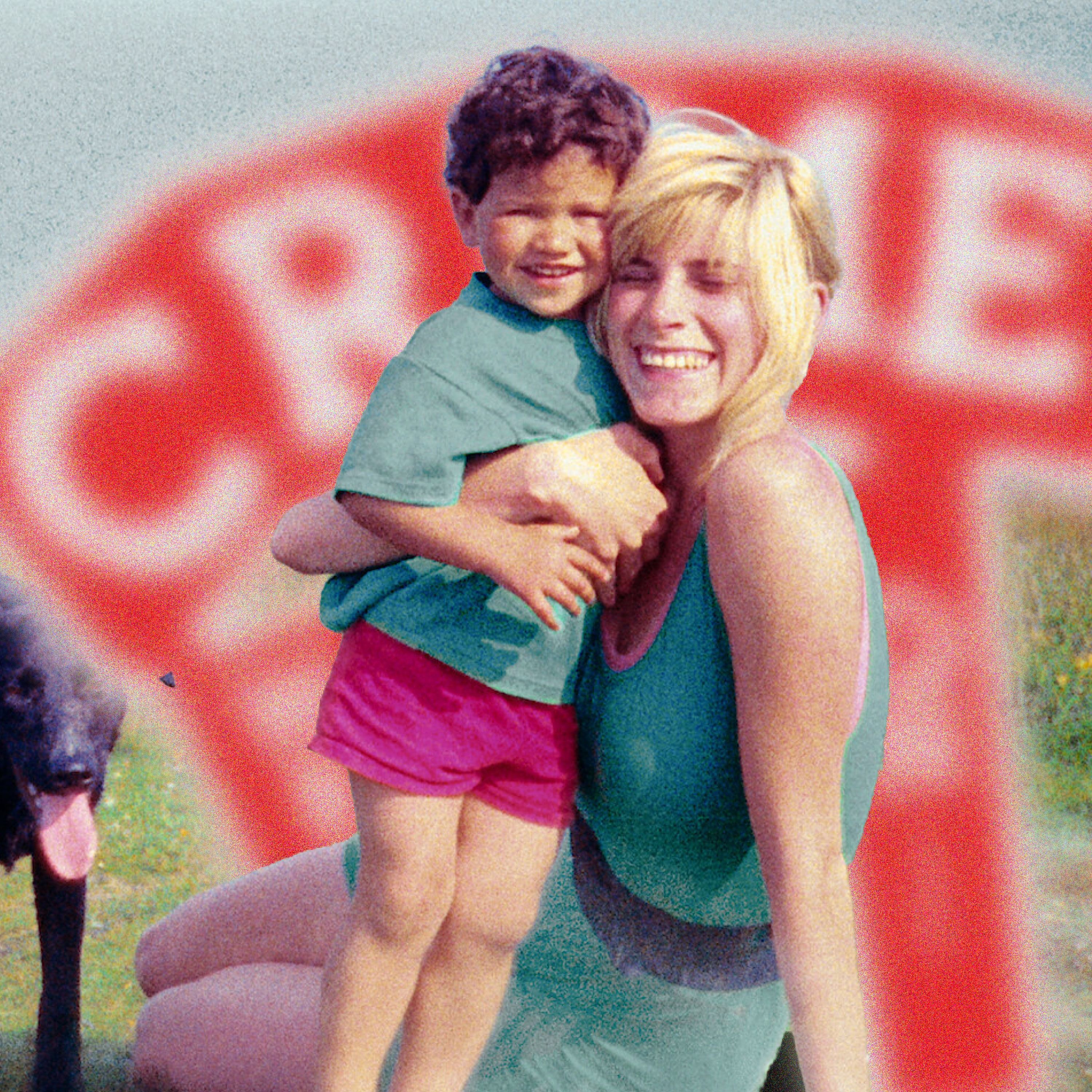
Crime Writers On...
The Murder of Rachel Nickell
00:44:55
After murdering a woman in a London park, the culprit left behind a witness: her two-year-old son. Can the little boy help police catch his mother’s killer before he strikes again? We’ll review the Netflix documentary film “The Murder of Rachel Nickell.”
Loading summary
Transcript306 lines
- [00:00]
A
Do you love hair raising allegedly true stories about the paranormal? Then you should summon the podcast Scared to Death. It's the popular horror series with more than 60 million downloads to its name
- [00:11]
B
and is co hosted by me, Dan
- [00:13]
C
Cummins and me Lindsay, co host and also Dan's wife. Each week on Scared to Death we share bone chilling tales from old books and creepy corners of the web. And even some submitted by our listeners. All all designed to make you want to sleep with the lights on.
- [00:29]
A
Think you can handle the horror? Tune in to Scared to Death every Tuesday at the stroke of midnight to find out.
- [00:36]
C
You've likely heard about pdrn. Originating in Korean medical grade injectables, this ingredient supports skin rejuvenation and is often derived from salmon DNA. Medicaite's new Exo PDRN Prismatic Plus Serum
- [00:50]
D
unlocks the power of non invasive vegan
- [00:53]
C
PDRN through advanced biotechnology. It's proven to boost skin's natural rejuvenation by 50%. Like the clinical treatments, it's inspired by, Medicaite's XO PDRN Prismatic Plus Serum delivers
- [01:06]
D
full spectrum rejuvenation results to visibly improve
- [01:09]
C
skin health, tone, luminosity, firmness and volume while reducing the appearance of wrinkles.
- [01:15]
D
Visit Medikaite US that's Medik and the
- [01:20]
C
number 8 US to discover more, use
- [01:23]
D
code podcast20 to save 20% off your first order.
- [01:27]
B
To get the crime writers on after show right now, go to patreon.com partnersincrimedia
- [01:33]
C
I'm Rebecca Lavoy and this is Crime Writers on. Crime Writers on is the original True Crime Review podcast that digs into true crime pop culture, other podcasts and on this episode, after murdering a woman in a London park, the culprit left behind a witness, her two year old son. Can the little boy help police catch his mother's killer before he strikes again? We'll review the Netflix documentary film the Murder of Rachel Nickell. Joining me to get that done and more is true crime author, TV journalist and host of these Are Stories podcast. My husband and the love of my life, Kevin Flynn. Hello Kevin.
- [02:16]
B
Hello Rebecca.
- [02:17]
C
Also with us, private investigator, certified pet detective, resident cat lady, and author of the Piper Green series of cozy mysteries. And it's Lara Bricker. Hi Laura.
- [02:26]
D
Hey Rebecca.
- [02:27]
C
And finally, all the way from Valencia, Spain, author of the City trilogy of novels, host of RIP Current More like Ancient Failions on the podcast, soon to be a major motion picture. Strange Arrivals Ta Toby Ball. Que pasa, Toby?
- [02:39]
A
Hey Rebecca.
- [02:41]
C
So Kevin, what's coming up on next week's Podcast.
- [02:43]
B
Okay, so on Monday, we're going to talk about the show the Witness on Netflix. And it's actually a dramatization of this story. So when Laura says, boy, this story sounds really familiar. It ought to. Cause it's a companion to the documentary we're talking to today.
- [02:59]
C
All right, so we're gonna watch the same story again.
- [03:02]
B
Yeah, well, just, hey, it's a first for us and we'll get to see, you know, maybe we like something better. Like something different.
- [03:07]
C
We did see the trailer for that, and I made the observation the people that they cast to Paleo people were not as good looking as the real people. And it's usually the opposite, which is kind of wild.
- [03:16]
B
Yeah. And then on Thursday, a week from today, we'll talk about. This is a podcast that I have had on my list since January from the cbc, and they kept pushing it back. We'll talk about it. Because it wasn't ready and now it's out. It's called Hunting the Suicide Salesman.
- [03:34]
C
I'm so glad we're finally doing that one. Cause I see so many emails in our inbox about it, and I'm like, why does Kevin keep having this long conversation about this podcast? What's going on?
- [03:43]
B
There's like three things. Three titles that have been pinned to the corner because it was like it was ready to go. And. And then for some reason, for different reasons, like it got put on the shelf or postponed.
- [03:54]
C
Sometimes that happens.
- [03:54]
B
And so I was like, oh. Cause it's from the same people that did Hunting Warhead.
- [03:58]
C
Oh, I see.
- [03:59]
B
So that's why I've been looking forward to that one. So get your homework done.
- [04:04]
C
By the way, I'm thinking about changing the entire format and theme of this podcast and making it a podcast exclusively about cat asses.
- [04:10]
A
Yes.
- [04:11]
C
Because, oh, we get so many cat asses. Yeah.
- [04:15]
D
Yeah. There's Toby's cat.
- [04:17]
C
Your cat did a walk by and showed us his asshole for a full 90 seconds.
- [04:21]
A
Yeah, yeah, that's.
- [04:22]
B
That's his Elegante.
- [04:24]
A
Yeah.
- [04:24]
D
I locked my cats out today so they wouldn't do that.
- [04:27]
C
Yeah. So many cat.
- [04:30]
B
Once you block out one cat, another one comes in the other. Zoom window.
- [04:34]
D
Yeah, coming in.
- [04:36]
C
It's like a whack a mole of cat assery cat.
- [04:40]
D
Such a nice cat.
- [04:42]
C
All right, you guys ready to talk about the show we're supposed to be talking about?
- [04:45]
B
Yeah, let's do that.
- [04:46]
C
All right. I'm trying to change the tone because the first sentence you wrote to describe this is pretty dark. So leading off, police Sealed off Wimbledon
- [04:53]
D
Common moments after the woman's half naked body was found by a passerby. Detectives say she'd been murdered in a frenzied attack which was witnessed by her two year old son.
- [05:03]
C
In 1992, Rachel Nickel was brutally murdered in broad daylight in a London park. But her killer left behind a witness, her two year old son, Alex. With the uneasy consent of his protective father, Andre, police spent months working with the toddler to coax details about the attacker. My concern wasn't how much information we could get out of a small child. It was, you know, what sessions like this, what distress they were going to cause and what damage they were going to do to his recovery. After Andre put an end to his son's distressing questioning, police laid a honey trap for a nearby suspect with violent sexual fantasies. They arrested Colin Stagg, even though there was nothing connecting him to Rachel's death. And when a similar murder stunned the city, investigators were at odds with one another about whether they had the right man.
- [05:49]
A
We tried to impress upon them that they may have got the wrong person. And how was that met with hostility and just absolutely, there's no way that
- [06:03]
C
we haven't got the right person. Netflix documentary the Murder of Rachel Nickell tells the inside story of the search for a serial killer. It features in depth interviews with Andre and Alex about the toll it took on the two year old boy repeatedly asked to identify his mother's murderer. It also explores how missteps by the police before and after the crime resulted in years of delayed justice. Spoiler alert. We're going to be talking about plot points from the murder of Rachel Nickell. So if you want to remain spoiler free, go to the estimated timecode in our show notes for our thumbs up or thumbs down reviews. So Lara, a big section of this documentary which is fascinating to me is the investigators attempts to get a real true account of events from a two year old child. We see all of this questioning tape, we see the dad has to be there. It's incredibly uncomfortable. What do you think about the fact that they did that in terms of the veracity of the information that they thought they were going to elicit and about sort of continuing the trauma for this child.
- [07:08]
D
Right. I, I so that was the part of this whole case that I found super fascinating just, you know, at first level. Like how does somebody that young see and process information? How does a brain at that age store that chromatic information? What memory is reliable? And the thing that immediately just started dinging in my head as I was watching these videos was like, this seems like a masterclass on child suggestibility because the way that they're continuing to question this little boy, Alex, over and over again and, you know, eventually, and children at that age are very susceptible to leading questions and going into repeated interviews and that can unintentionally shape the memory and the recall and in young kids. And so I think watching this, you see, this isn't like ill intentioned. This was like, we want to find out who did this. But, you know, if you look at the protocols in place now for how to question young children, they're pretty different than that. And I think probably, you know, we know more about how children can be suggestible and what do they genuinely remember? Like, could a child genuinely remember something but also be, you know, vulnerable to being kind of contaminated by the way that these questions are asked? Yes, but then you've got the muddle and what is real and what is not. And I think it's really, it was really interesting to watch that play out. Did you think she was asleep? Did you, did you want her to wake up? Did you want her to wake up?
- [08:55]
C
Did she wake up?
- [08:58]
D
No. I mean, the first thing, the other thing about this case, as soon as it started is it reminded me of that case on Cape Cod, the Krista Worthington fashion, the case where she was a winter resident on Cape Cod and her child was also with her when she was murdered. But it's like you wonder. That was one of the more interesting parts of this and I did look it up. And this case is actually used as a case where they talk about child suggestibility. So. Yeah, so my hunch there was kind of right on because it's definitely some things were done.
- [09:32]
B
Lara, I'm with you. I can't believe they thought they would get anything usable from talking to a two year old kid. I mean, he had a white shirt. Sure. Yeah. Was he riding a unicorn too? Yeah, of course he was. I mean, it's just I feel like they would get more reliable information from a parakeet that, you know, viewed the crime. And it just was so, I mean, just that part of it, right there's just not like what he possibly could say after weeks and weeks and weeks of remembering, like what, you know, it just nothing that, you know, would really move the needle even if he said it. But, but more importantly, I mean, wasn't it just very clear that this was traumatizing?
- [10:09]
C
Yeah, he get back.
- [10:11]
D
So you're having to re. Traumatize. Yeah.
- [10:13]
B
You know, Andre, you Know, I don't blame him for trying this. The investigators said that this could be beneficial in finding the murderer of the woman he loved, the mother of his child. And there was a psychologist there, I'm sure, assuring him that this would be okay. But, I mean, good on him. Finally, the scene where they go into the park and they let him run around and he's playing and it's fun again, and then he starts to cry. Isn't this obvious? To bring a toddler back to the scene of the crime would not be beneficial to him.
- [10:48]
D
Right.
- [10:48]
C
He was crying and I snapped. That was enough for me.
- [10:53]
B
Enough.
- [10:54]
C
This was taking too heavy a toll on him, and it was taking too
- [10:58]
B
heavy a toll on me as well.
- [11:00]
C
Let's fucking go.
- [11:02]
B
It was just so, so horrible. And you know what ends up happening is that later on things do come out.
- [11:10]
C
Yeah.
- [11:11]
B
Things that may have been helpful. May or not, but they come out on their own.
- [11:14]
C
Right.
- [11:15]
B
And I mean, just wait, like, even if you were like seven or eight, I mean, you still couldn't be 100% sure that everything that he said was accurate.
- [11:24]
C
It's a memory of a memory. I mean, the memories are still developing at that point. Toby, I wanna talk about Andre and his role in this because Andre did tell them to fuck off eventually. But we also had this opening scene where he's talking to his son, which is a very different scene than when we see the psychologist and the cops talking to the baby. Can you just talk about, like, where he is placed in this story and what he has to do?
- [11:48]
A
Yeah. So to start off with, like, the opening scene in this. In this documentary is he is sitting across, like, a small table from Alex, the son, who's doing a drawing. And he. He just asked Alex a few questions, and Alex is sort of forthcoming about. He saw the bad man, but his mom didn't see the bad man. The bad man came from here and he was sticking his knife into her and all this stuff. Alex, look at me.
- [12:19]
D
When you saw the Batman was in front of you like I am, or
- [12:22]
A
was he on this side or was
- [12:24]
D
he on that side?
- [12:26]
C
He was right in front of you.
- [12:28]
D
Did Mommy see him?
- [12:33]
B
No.
- [12:33]
D
Did you see him first? Yeah.
- [12:38]
A
It's actually a very affecting scene. I thought I was like, you know, even though there's no crying or screaming or anything, it feels very emotionally charged, partly because the kid seems so distracted while he's talking about this. But it's obviously, you know, he's remembering about as traumatic an experience as a person can have. You Know, Andre, he's in this situation where the mother of his son is just absolutely brutally murdered. So he's grieving for that. He's facing this new reality where he's going to be bringing up his son by himself, all these things. And the police are like, we want to question your 2 year old to get what we can, because if we don't, if he has some information that he could give us, this might prevent other deaths. So he's getting this, like, serious pressure. It's just hard to imagine, you know, the mindset that you must be in with all this stuff going on. And, you know, he's a protagonist in this and, you know, who knows? But he certainly comes across as a thoughtful guy who's trying to do the right thing as best he knows. And in the early 90s, our understanding of this trauma and memory stuff wasn't as good as it is now. And I assume this is what that show is going to be partly about that we're going to be watching. I mean, he's just in this impossible, horrible situation. And I think he kind of probably feels like I'm going to be traumatizing my son, but if I don't do it and then other people die as a result, what's our culpability? And all this stuff, I mean, it's just. It's a terrible situation to be in. And he just seems like a very nice, sort of genuine, like, wanting to do the right thing kind of guy that it's hard not to feel for him.
- [14:26]
C
Yeah. I'll say the art part of this documentary with the choices, like, first of all, Andre is a really good protagonist for this story. It sort of reminds me what was the thing we watched about the Spanish crime, the Spanish rapes, where the protagonist was the person telling the story from her point of view.
- [14:44]
B
The predator of Seville.
- [14:45]
C
Yeah. And she. He was just so the right person. Like, he's absolutely the right person to tell this story. And they put him. If this isn't his house, they put him in the most beautiful space, this big open space. It was very atmospheric and really kind of matched the mood of the documentary. So the art direction of this I thought was. Was really good. But Andre himself, I mean, at the very end, this is a spoiler alert. We finally meet Alex and I think the documentary does a good job of making you wonder, like, what's the situation with Alex today? And then we meet him. Lara, what do you make of this father and son and their appearance and participation in this film?
- [15:21]
D
I mean, I think Honestly, that was amazing that they were willing to take part in this film. That's a tremendous amount of trauma to have lived through. And repeatedly having been brought back to that event as a child and talking about how much that. That was obviously traumatic, but then to be willing to come back as an adult. But at the same time, I think as the viewer, it was sort of reassuring to see, okay, they're okay now, and they've gone through this horrible loss and this really violent situation. And now we see them as. You know, they're close, they're still together.
- [15:59]
C
My father sacrificed everything for me and for what he believed in without any guarantees of how it would turn out. He was brave enough to do what
- [16:13]
B
he felt was right in his heart.
- [16:18]
D
I'm forever indebted to him for that. You see Alex seeming able to talk about what happened, but telling the story about what it was like for them to have gone through this as it was unfolding, as the investigation was unfolding, as they were trying to figure out who actually did this. I think they were the right people to bring in. And I was just. I was a little surprised. I was like, wow. The fact that they were willing to participate in this, I thought was pretty
- [16:45]
C
remarkable when the police put them to the wringer. Absolutely. Yeah. So, Toby, we have a character in this that's one of our favorite kind of people.
- [16:53]
A
So sudden.
- [16:53]
C
A profiler.
- [16:54]
A
So sus.
- [16:55]
C
A profiler. Thoughts? Profilers, by the way, have never saved anybody's life. They have not.
- [17:01]
A
Especially this one.
- [17:02]
C
And they have never, like, solved an ongoing case. What do you think about the. The profiler point of view in this story?
- [17:10]
A
He is just a British version of the ridiculousness. I. You know, it's. It's hard to even know where to begin, but he. He's so sort of arrogant. And, you know, his readings on these things are just feel. So, you know, he's basically like, this guy's kind of a loser who doesn't like the idea of hot, hot women who are gonna, like, look down their nose at him. So he's like, you. This is, you know, this now. I've done this to you. What are you gonna do now? Like, that's like kind of his take on, like, what the psychology is behind it, which is like, what are you talking about, dude?
- [17:52]
D
That would look down her nose at me. I'm not having that. I'm gonna have her. What you have is a very focused
- [18:04]
C
intention to obliterate this young woman.
- [18:08]
A
Like, what. What degree brought you to that insight? And then he. You know, he goes on TV and he gets asked this question. It's like, I don't even remember what the question was. He's like, oh, we know what he's thinking. We know what he's thinking. I'd like him to tell me some more about it. And he's like, well, certainly no one's gonna call you up and say, I'm the killer. And I want to tell. He's like, well, actually, I believe he might. He may just in fact, want to do that. Like, dude. So the whole thing, like, he's the
- [18:37]
C
Zodiac writing letters to the cops, that's
- [18:39]
B
a known proactive technique with the profile.
- [18:41]
A
Yeah. So anyway, the whole thing was just like, again, it's like, what this is. You're just. This is like exactly what somebody would write in a, in a piece of fiction about this. Like a kind of low, low end piece of fiction about a serial killer would be like, the point of view. Like, I'm sick of these good looking, snobbish women walking by and not giving me the time of day. Therefore, I must kill them. And that's like, that's his criminal profile of it. And I don't think it has anything to do with the person who actually did it, who clearly is schizophrenic. That I don't think plays into it. The guy who they get just seems so completely mentally ill that it's. It's something completely different that doesn't kind of fall into the normal sort of psychological reasons for doing something like that to women.
- [19:33]
B
Toby, I must correct you that this guy was not a profiler. Remember, they brought in an American profiler for one day, and then this psychologist picked up the torch and created a profile.
- [19:47]
C
He became a profiler in a day.
- [19:48]
B
Yeah. Or said, that sounds interesting. And so. But the only. I mean, that's the only reason. But the big point about that whole thing is that again, it set them up to go in the wrong direction. I keep thinking the more I talk about this in the open, I realize the cops did fuck up at every turn. It doesn't seem like it when they're all there, but like, when you go, yeah, that was a dumb idea. Oh, that was horrible. The only thing was that they were so bad that the wrong guy ended up not going to prison.
- [20:16]
C
Correct.
- [20:17]
B
Because it was so bad. But it just seemed like the thing about the profilers, again, they've got this design. This is the kind of person who did it. And then when they come across Colin Stagg, I think the name is Right. They're like, yeah, he's an odd dude, so he must be the killer. It's just like, it's just one bad decision after another. But it's never a bad decision to join us on Patreon.
- [20:37]
C
Never. It's the best decision you can make. And this is the business section.
- [20:40]
B
Yeah. If you jo us@patreon.com partnersincrimedia we get all sorts of exclusive content, including the crime writers on After Show. Toby Ball's Deep Dive Book Club podcast. Married with podcast. Our advice show Something's Off Rebecca and Mel Barrett's true crime podcast. And you'll get Leave it to Bricker, in which Laura Bricker solves mysteries, or at least mysteries to her in her quaint aft town of Exeter, New Hampshire. If you join us at the let's do what we do level, you get episodes of Crime Writers on early and ad free. You'll already know if we're thumbs up or thumbs down today. And if you're a deep diver, you get to be an exclusive sponsor of Toby Ball's Deep Dive Book Club podcast. And the latest book that they're talking about is the Other side of Prospect. Now, another way you can support us is to check out our Amazon storefront. Just go there and just see what some of our favorite things are. So Rebecca, when people go to Amazon to do shopping for whatever they want to do and they stop by first, they're gonna see this week's crime writers on Amazon recommendations. Tell us, what is it?
- [21:40]
C
I have to Recommend My new YouTube microphone that I got from my other podcast, which I do from the living room and not from the studio. Cause I think it looks better. That's the Shure MV7 Dynamic Microphone, which is USB C or XLR in. Ready for it, Kevin?
- [21:54]
B
Yeah.
- [21:55]
C
White.
- [21:55]
B
White looks beautiful.
- [21:56]
C
It's so sharp. Is it not so sharp?
- [21:58]
B
It looks great.
- [21:59]
C
I'm so used to these industrial looking re twenties and now I have this white microphone. It is so beautiful. I feel like Barbra Streisand.
- [22:06]
B
White is the new black fantastic, by the way.
- [22:08]
C
Do you remember when Barbra Streisand went on Oprah and Oprah was like, where'd she get that white microphone? And Barbra Streisand was like, I just spray painted one of yours. And Oprah looked like she wanted to murder her. Great moment in the Oprah Winfrey Show.
- [22:19]
B
Great moment, great moment. Now, Toby Ball, can you tell us what are some of your listener inspired Toby Ball's Deep cut recommendations this week?
- [22:27]
A
I'm going with one that I could use and one that would not work for me. See if you can guess which is which.
- [22:33]
B
Is it a bra fur zapper.
- [22:36]
A
Pet hair remover for laundry two pack.
- [22:39]
C
Oh.
- [22:39]
A
Reusable dog and cat hair remover tool as seen on Shark tank. Removes pet fur, hair, lint, dander from. And then it just stops right there. But I'm guessing close.
- [22:50]
C
Oh, yeah.
- [22:52]
B
The suspense.
- [22:53]
A
Anything you can imagine, it can remove hair tauntons.
- [22:57]
C
Tauntaun hair.
- [22:58]
A
Tauntaun hair. Exactly as much tauntaun hair as you can imagine. This is one that I don't think would work for me. It's the Yamiomi. I think that's how you pronounce it. Handheld sleep aid device. Sleep assisted Low frequency pulse generator. Relief anxiety help sleep USB rechargeable. The idea that I would have to hold on to something while also trying to fall asleep is just like a
- [23:24]
D
non starter that was pulsing or zapping.
- [23:26]
C
I'm not sure I wouldn't like that.
- [23:28]
A
I'd just be thinking too much about having to hold on to it and the anxiety of it would keep me awake.
- [23:33]
C
Yeah, yeah.
- [23:34]
B
And then you lose it. And then like your partner would roll over on.
- [23:37]
A
Yeah, exactly.
- [23:37]
B
Then they would start vibrating at a low frequency or whatever it is.
- [23:42]
C
I think that's actually for something else. That low frequency vibration.
- [23:47]
A
It's definitely a twofer.
- [23:48]
C
Is it to. Is it actually to cure my hysteria? Is that what it's actually for?
- [23:52]
B
I can see why it's not for Toby. Whatever works. All right. Make sure you shop us first@Amazon.com shop crimewriters on. Hey, bookmark it. Why not? Whatever. We earn commissions on qualified purchases.
- [24:05]
C
All right, Kevin.
- [24:06]
B
Yes.
- [24:07]
C
Before we end the business section, do we have any Patreon patron saints of the week this week?
- [24:11]
B
Our Patreon patron saints are Alexa Fagan and Beth Wright. Bless you. And Beth, she has been going through cancer and been documenting her journey on Instagram for many months and she looks like she's doing great. We hope you're doing well, Beth. Thanks for sticking with us and for being strong.
- [24:31]
C
We love you, Alexa and Beth, I can't thank you enough for supporting us and supporting the show. Your support on Patreon, your desire to get our additional content and then we're like, willing to pay for it. It's what keeps the engine of this show rolling. So, Kevin.
- [24:43]
B
Yes.
- [24:43]
C
Does this end our business section?
- [24:45]
B
Thus ends the business section.
- [24:47]
C
Let's fade that music out.
- [24:49]
D
Hi, besties. It's Tinks.
- [24:51]
C
If you need a little inspo.
- [24:52]
D
A little Tough love or just someone to tell you that everything is going to be okay.
- [24:56]
C
Come hang out with me on my podcast. It's me, Tanks.
- [24:58]
D
We talk dating, confidence, friendships, healing, leveling
- [25:01]
C
up, and all the things we're working on together. I share my frameworks, your questions, and
- [25:05]
D
yes, plenty of chaotic stories.
- [25:07]
C
New episodes drop every Monday, Wednesday and Friday. So whether you're on your girl walk,
- [25:11]
D
commuting or hiding from your ex on Instagram, I've got you. Listen to It's Me Tanks wherever you get your podcasts.
- [25:17]
C
So Kevin, who's the sponsor of this fine podcast?
- [25:20]
B
Oh, we're sponsored by Quint.
- [25:22]
C
Shut up.
- [25:23]
B
Yeah, summer is the perfect time to rethink the clothes that you've been reaching for. Every day you take all those clothes that you bought from Quince in the winter, all those nice sweaters, you put them to one side of the closet or in a different drawer and you bring out all of last year's linens. Get the new ones to add to it.
- [25:39]
C
Yeah.
- [25:39]
B
Rebecca, what have you recently purchased quints?
- [25:42]
C
Well, you know, I love a linen shirt.
- [25:44]
B
Yes.
- [25:44]
C
And I have a couple of Quint's linen shirts. The European linen I love. The dark blue with the white stripes is my favorite one. I have a white one. I've got a pink one. I've got a solid blue one. They are the most versatile cute shirts. I wear it over a bathing suit. I wear it out to dinner. We were on vacation, remember? I wore a linen shirt every day.
- [26:01]
B
Yes. Yes. And in fact, for that vacation, you purchased me two pairs of swimming trunks.
- [26:06]
C
Yes.
- [26:07]
B
Bathing suit. Whatever you call it.
- [26:09]
C
Yes.
- [26:09]
B
And I'll say that ladies, that if you purchase one for your man, be sure to get the short one. Get the short one. Tell them you're not an 80s surfer. You don't need down to your knees. Look great, look elevated and save money. And by the way, quints is not just about clothing. It's your destination. For elevated essentials across the home, kitchen, bedding and beyond.
- [26:30]
C
Elevate your summer wardrobe. Go to quince.com crime for free shipping on your order and 365 day returns. Now available in Canada too. Bonjour High that's Q-U-I-N-C-E.com crime for free shipping and 365 day returns. Quince.com crime
- [26:49]
D
the fastest self care clean
- [26:51]
C
hair K18 air wash dry shampoo is the first biotech powered dry shampoo. It instantly eliminates odor and reduces oil and sweat for fresh hair and scalp for up to Three days and no
- [27:02]
D
white cast, starchy buildup, or heavy fragrances. K18 studied the science of fresh hair
- [27:07]
C
so you never have to worry about wash day again. Shop at Sephora or get 10% off
- [27:12]
D
your first purchase at k18hair.com with code podcast. That's CodePodcastK.
- [27:19]
A
Avoiding your unfinished home projects because you're not sure where to start. Thumbtack knows homes, so you don't have to. Don't know the difference between matte paint finish and satin or what that clunking sound from your dryer is. With thumbtack, you don't have to be a home pro. You just have to to hire one. You can hire top rated pros, see price estimates and read reviews all on the app. Download today.
- [27:40]
C
Lara Bricker, have you ever done a honey trap? Yes or no? You're the only private detective here. You ever done a honey trap? And what do you think of the honey trap in this documentary?
- [27:52]
D
I have not done a honey trap. Just gonna say I follow pretty ethical guidelines. Like, I always have to eat. I can't even, like, say that I'm somebody that I'm not.
- [28:01]
B
I have always identified.
- [28:04]
D
If I was doing a honey trap, though, I would have done a better job than this. Let's just say so. You know, basically there's, you know, they've got this investigator, they think he matches a profile. So they have the undercover officer posing as a woman interested in this Collins DAG guy. And they exchange these letters and phone calls and meetings and, you know, all of this trying to get him to confess. And guess what? Nothing. He doesn't confess. Shocker. And wait, a cop, the judge is like, yeah, no, that was deceptive conduct of the grossest kind. And, like, excludes the evidence. So I guess, yeah, you know, I do like the word honey trap, though. I mean, I think that sort of like, I think that's a fun word. And if I could think of a way to set a honey trap that wasn't like, super dirty and naughty, I might do it.
- [28:56]
B
So you're telling me that a woman said to a guy, essentially, you know, violence gets me hot. So he's like, well, I'd like to get you hot.
- [29:06]
C
Yes.
- [29:07]
B
So, yeah, violence, yes. Or whatever.
- [29:09]
D
No.
- [29:09]
C
Yes. No, I'm game.
- [29:11]
B
I'm game. Sure, yeah, Whatever you want me to say to get into your knickers, I'll do it. Okay, yeah, sure.
- [29:18]
C
That's it.
- [29:18]
B
Yeah, go on and get into the knickers. You like fish and chips? I like fish and chips. Fine. You want vinegar on the chips. Fine, whatever the fuck. I'll go along. I'll write it down. Just don't take me to jail for it.
- [29:32]
C
Exactly.
- [29:33]
D
Say whatever I'm gonna say to. Yeah.
- [29:36]
B
Don't put me in the nick.
- [29:38]
C
Yes. Yes. One of the things I hate most about the American criminal legal system is that it's legal for cops to lie to suspects, which is not the case in other countries. Imagine that.
- [29:47]
D
And it's not the case for me. I would get. I would be like, not employed anymore. If I was lying to people I was interview.
- [29:54]
C
Lie to as a journalist to people either. To get information. Like wild, huh?
- [29:57]
B
Even if it's a honey trap.
- [29:58]
C
Yeah. So Toby, Colin Stagg, he's just like, weird, right?
- [30:02]
A
He's a pagan.
- [30:04]
C
Yeah.
- [30:05]
A
So weird. Pagans, man, you gotta watch out for them.
- [30:08]
B
He forewarns.
- [30:09]
C
Not really that weird. Just kidding.
- [30:10]
A
No, I mean, he. I mean, he's probably a little weird. I mean, it sounds like he had a pentagram in his apartment and some stuff, but I mean, whatever, you know, as long as he's not hurting anyone.
- [30:21]
C
Who among us hasn't drawn a pentagram on the floor?
- [30:24]
A
But I think it kind of, you know, know, it's sort of like the. What, the Robin Hood murders? Is that what they were called? Damien Echols and those guys? It's just like, you find somebody who's a little outside the mainstream, it's a lot easier to envision the West Memphis Three.
- [30:38]
C
Is that what you're talking about?
- [30:39]
A
Yeah, it's a lot easier to be able to put them forward to the public as people who've done something horrible as opposed to more conventional people in that society. So certainly it's not Rachel Nickel, but, I mean, he's clearly victimized by the justice system and by the tabloid media where our cops are allowed to lie. Their tabloid media is allowed to do a lot of crazy shit.
- [31:08]
D
Yes.
- [31:10]
A
And he definitely paid the price on that for doing nothing.
- [31:15]
C
Yeah. Remember all those years ago when we watched the Cannibal Cop documentary? Yeah, I remember that story. Like, the Cannibal Cop was like, definitely a cannibal, according to all the New York Post and all that shit. And I didn't even realize, like, until I was much older that that whole thing was complete bullshit, that whole thought police thing. So, Kevin, they dug in, though. Even when there's another murder that's like essentially exactly the same, except this time the kid died and didn't survive, they're like, huh, can you blame them?
- [31:45]
B
They put all that work in.
- [31:47]
C
They did that profile, it's so American.
- [31:49]
B
They put that. Prof. It led right to that Pagan boy who was weird and, you know, ran away from the press when everybody said he was a killer. And then somebody does a similar killing. Like, no, couldn't possibly be. Couldn't possibly be.
- [32:05]
D
Nope.
- [32:06]
B
I mean, they were never gonna concede. Yeah, well. Well, our guy didn't do it. That just, you know, that just doesn't happen. I mean, it's so. Because even if they had said, you know, maybe there's something here and they pursued it, they're probably damaging their prosecution against Stag if he were the real killer. So that wasn't the way it's gonna go. I do think, you know, they were talking about they had the chance to get Napper. Is it Robert Napper? They had a chance to really put him away before Rachel's death. You know, we get that later. But they're like, you know, oh, man, I'm so. Like, we were so. Andre was like, I'm so grateful because Napper, you know, if we look at the murder of Jasmine and Samantha, Alex could have been killed too. And I'm thinking to myself, no, actually was. Napper learned his lesson because he let Alex go and then Alex ends up being in the newspapers and, like, he's the hero. He's the one who's gonna identify the killer.
- [33:03]
C
Right.
- [33:03]
B
And so the next time, you know, not gonna make that same mistake. Now, maybe he's also.
- [33:08]
C
Alec was a boy. There could be that too. You know, it could be.
- [33:11]
B
And I could. And it could. And I could just be giving him way more credit for, like, any rational action, you know, behind anything that he did. He might have just, you know, been a berserker and just killed everybody around. You know, he might not have made a calculation because he's not in his right mind. But, you know, I think that there definitely could have been a lesson there that, you know, don't leave anybody behind. But I will say that I think it's significant that. That in the second murders he smothered the child and didn't stab the child multiple times like the mother. I think that that shows, like, some kind of restraint. Yes. That he made a distinction in that way. So he was making a decision.
- [33:52]
C
I mean, obviously not restraint, but you know what I mean?
- [33:54]
B
Yeah.
- [33:54]
C
No, I mean, for a different kind of violence.
- [33:55]
B
Yeah, yeah, yeah, yeah. It is a distinction.
- [33:58]
C
So one of the things I like so much about Andre is when he tells this part of the story, which is obviously an incredibly difficult part of the Story, he doesn't do the thing. And I think it's just because the legal system is so different in England and people just have a different level of trust of like the process that he's not still saying, no, that's the guy who did it. Which I feel like if we were watching an American documentary about an American family, you know, like the tardy furniture murders, like they still think Curtis Flowers killed because the prosecutors and cops were, would not let it go. Right. Situation. And that's one of the reasons why I liked Andre so much because he was so thoughtful and willing to take in new information. But Laura, what did you think about this? Because not only did they have the wrong guy behind bars, but having the wrong guy behind the bars potentially is the reason why other people were murdered, right?
- [34:47]
D
Yeah. So that guy is already, you know, he's behind bars and Napper is already linked to a series of attacks. His own mother had called at one point to report him. So it's like if he had been pursued earlier, could this have, could these other ongoing sexual assaults been stopped? It's, it's frustrating because it's, it's really like this confirmation bias. It's like, okay, there's a lot of pressure. We gotta get somebody, we gotta get somebody. We're gonna get this guy, we're gonna. And then they're like, oh wait, this guy's not the guy. And now the actual guy has done all these other things. So I think it's sort of a cautionary tale of what can happen in a case where you've got tremendous public pressure, media focus, you know, this, this young witness who was questioned in a way that came up with information, but information that didn't lead to this person.
- [35:42]
C
What do you think, Toby, about their insistence that it was stag and the result of that?
- [35:47]
A
Yeah, I mean, I, you know, I think we see it again and again. It's like you get your suspect who they really believe he's a guy who did it. And like you were saying with Andre, he's willing to take in new information. They weren't right. I mean, it's, they think they've got their guy because you come up and like, well, this guy looks, looks better to me. It doesn't mean they're going to be like, oh yeah, well actually you're right and give up on it. I mean, I think they spent all this manpower. They probably convinced themselves it's not that it's okay or good or whatever, but just based on, you know, what we've covered for the last 12 and a half years, it seems like absolutely predictable that that would be the case. You know, every once in a while we see something where like a DA or something will get new information and be like, okay, we're gonna let this guy go. We're gonna, you know, whatever. And then we're always like, really praise that person for being so open minded or whatever, for being normal, because it's just so out of character for people in that position. So. Yeah, I mean, I think, unfortunately, that's kind of the nature of the beast, is that once law enforcement makes up their mind that you're guilty, it takes a lot to knock them off that belief.
- [37:01]
D
It's the tunnel vision. It's like that tunnel vision and then you don't investigate other suspects or other avenues that might. And there was no forensic evidence linking the first guy.
- [37:12]
C
But there was a honey trap.
- [37:14]
D
But there was a honey trap. And there was like, he matches. He matches a profile. But it's like that tunnel vision.
- [37:19]
B
No, you mean chunnel vision.
- [37:21]
D
Because it's. Yeah. Oh, chunnel. The chunnel vision.
- [37:24]
A
Are you forgetting that he sunbathed in the nude occasionally? Maybe he hadn't taken that into account.
- [37:29]
C
Very incriminating. Very incriminating. I love how we talk about, as you said, Toby, like, when a prosecutor in the United States eventually does, like, find someone and they change their mind, it's like we are so excited and we are rewarding basic decency and honesty. It's like that should be the baseline. That shouldn't be, like, extraordinary.
- [37:48]
A
Recognizing the truth. Wow, good for you. Good for you, buddy.
- [37:52]
B
But it needs to be extraordinary because the system is so heavily weighted against that.
- [37:56]
C
Right.
- [37:56]
B
You're right. It should not be a profile in courage, but it often is.
- [38:00]
A
Yeah, well, I think it's hard. I mean, I think I've talked about this before, but if your idea is that the system works really, really well, and you kind of have to be, if you're putting people away for the amount of time you're doing or executing them or whatever, that once you start accumulating people who were wrongly convicted. So, like, what are we doing? You know, if a certain percentage of these people, especially in the US where we just put them away for just insane amounts of time, it's like, you know, what are we doing if we know that a certain percentage of these people are innocent? We're just locking them up and for all this time, and it's just a terrible mistake. So I can see where within the system, like, you're very very reluctant to concede that you got things wrong because it just calls into question the entire enterprise. But it deserves to be called into question, right? I mean, that's the ultimate thing is that's what the facts show. So you're back into that thing where you're trying to protect the institution rather than doing what you know is right.
- [39:19]
C
Hey everyone, it's me, Morgan Stewart, and I have a new podcast called the Morgan Stewart Show. Join me each week as I talk about pop culture, fashion, my personal life, and just a warning, I'm going to be giving my opinion on everything. I'll also have some really fun guests
- [39:31]
D
to join in on the fun the
- [39:33]
C
Morgan Stewart show is out now. Listen and follow wherever you get your podcasts or watch full video on YouTube. You've likely heard about PDRN.
- [39:41]
D
Originating in Korean medical grade injectables, this
- [39:44]
C
ingredient supports skin rejuvenation and is often derived from salmon DNA. Medicaite's new Exo PDRN Prismatic Plus Serum
- [39:53]
D
unlocks the power of non invasive vegan
- [39:55]
C
PDRN through advanced biotechnology. It's proven to boost skin's natural rejuvenation by 50%. Like the clinical treatments, it's inspired by, Medicaite's XO PDRN Prismatic Plus Serum delivers
- [40:09]
D
full spectrum rejuvenation results to visibly improve
- [40:12]
C
skin health, tone, luminosity, firmness and volume while reducing the appearance of wrinkles. Visit medikai.us. that's Medik and the number 8us to discover more.
- [40:26]
D
Use code podcast20 to save 20% off
- [40:28]
C
your first order avoiding your unfinished home
- [40:31]
A
projects because you're not sure where to start. Thumbtack knows homes so you don't have to. Don't know the difference between matte paint, finish and satin or what that clunking sound from your dryer is. With thumbtack, you don't have to be a home pro, you just have to hire one. You can hire top rated pros, see price estimates and read reviews all on the app. Download today.
- [40:50]
B
Every wireless service comes with a cost, right? Wrong. The TextNow app lets you do your thing for free. Get real talk, real text and 5G data for must have apps with no monthly bill. Need more data?
- [41:02]
A
Add it right from the app.
- [41:04]
B
Done. Go back to free.
- [41:05]
A
No long term contracts, no pressure, no surprises.
- [41:08]
B
Just wireless that works around you. TextNow we've got your back. Download TextNow in your app Store today. Wireless plans require the purchase of a sim card. Visit textnow.com for terms and conditions.
- [41:22]
C
All right, let's do what we do. Let's let our listeners know should they check out the documentary the Murder of Rachel Nickell, Laura Bricker, thumbs up or thumbs down for the Murder of Rachel Nickel on Netflix?
- [41:31]
D
Yeah, I'm going thumbs up with this on one hand. This is a pretty straightforward true crime style documentary, like 90 minutes long, a little bit longer. What I really found fascinating about this is there is a very young witness to a crime and this goes into, you know, what does somebody that's two years old remember? How does trauma affect that person? What happens when somebody is questioned at that age as a witness in a case? It's kind of a cautionary tale because it's how, you know, there's, there's public pressure to solve a murder. There's a lot of media attention on this case and it shows kind of the confirmation bias and how that, as we said, channel vision on a singular line of inquiry can affect a case. I think I wasn't familiar with this case. I'm, I'm sure everybody that lives in that area knows about this because it seems like there's a lot of lessons to be learned for, learned from how this investigation was done. I think it was really interesting to hear from the people now that were involved then. And there were some parts that were kind of maddening as how this investigation played out. But for me, I think the part that was most interesting was that the idea of how memory is formed at such a young age when a traumatic event occurs and what can and cannot be remembered and how that plays out. So thumbs up for me, Toby Ball.
- [42:52]
C
Thumbs up or thumbs down for the murder of Rachel Nickel?
- [42:55]
A
Yeah, I mean, I think this is like a pretty standard documentary, but it's elevated by two things in my opinion. One is the protagonist, this guy Andre, who is just sort of a very thoughtful, you know, insightful teller of his story. And then the second part of it is just, you know, his trying to negotiate. The Police want his 2 year old to basically tell them to help identify the killer of this two year old's mother. He was the only witness and this takes place over a long period of time. And it's a moral quandary for him about whether this is going to be retraumatizing his son. What are the consequences if his son could help the police and he doesn't and then the person, the perpetrator goes and kills again. So I thought that sort of moral ethical issue kind of elevated it too. So I'm a thumbs up, I think of this kind of documentary. This is one of the better Examples of these sort of 90 minute, basically the same mode, but I thought this one was sort of the better end of that genre.
- [44:15]
C
Kevin Flynn.
- [44:16]
B
Yeah, I'm going thumbs up. Yeah, it is. It's pretty well done, straightforward. It does fit the format of the 90 minute true crime documentary and pretty much hits on all cylinders. I would say that I probably wanted a little more about how this affected the father son relationship. We got that. But I thought that I would like to hear more about that and I think it would have been okay if, you know, one person said the cops fucked up repeatedly throughout this. I think it would have been nice if someone just sort of gave the listener or the viewer permission to think that, you know, I think it was a good documentary. And we are going to be looking at the dramatized version of the same crime next week. And I'm really looking forward to that discussion because I'd like to see how we approach this differently. We know what happened and it's really fresh and just to see, like, as writers, what were the different takes that they took? What were the parts of the real story that they thought they could mine for more dramatic effect? Do they tell the story in a really interesting way, given the source material? So I'm looking forward to that. I hope that at the very least that the Witness is as good as the Murder of Rachel Nickell is.
- [45:27]
C
Yeah, I really like this documentary. I was surprised at how much I liked it. It's short, it's quiet, it is extremely straightforward. But like some other things we reviewed lately, they have absolutely the right person telling the story. Uh, and that is, you know, the father and the partner of the murder victim and the father of the child who was the witness. The one thing that I think elevates this for me is the aesthetic of it. It's just really beautifully made, it's beautifully edited. I know that for a lot of these documentaries they often or usually do interviews in like a place they've rented to create mood or to create or just to sort of make it so that like the person isn't self conscious in their own house for a variety of reasons. He's usually for an aesthetic. And they did a great job with that there because there's this we hear in the story, like he moves to France and the place that they are taping this guy. And I have no idea where it is, but you feel like you're in like a quiet, beautiful French sort of country home. And it's very dark and it's very evocative and it's very moody. And I am the only person who notices home decor in the background of people's interviews. I know that. But for me, it actually really helped because I'm so tired of seeing the same HGTV styled Airbnb used over and over and over again in these documentaries. And this one just felt a little richer, a little bit better, and has incredibly thoughtful talking heads in it and also some that are less so. And it lets you make up your mind about what happened. And I disagree with you, Kevin, because I think it gives viewer permission by showing us enough that I felt like I had permission to say these cops really fucked up. So anyway, yeah, big thumbs up for me for the murder of Rachel Nickell. That's gonna do it for us. But before we go, Laura Bricker, do we have a Cat of the Week this week?
- [47:07]
D
So this is a fun story. So in we just did a story about Oklahoma in our earlier review this week, and here is a very cute story I saw in the news. Oklahoma family rescue stray cat with litter of, excuse me, six kittens and a baby bunny.
- [47:27]
C
Oh, the cat was nursing a baby bunny.
- [47:30]
D
The baby. The lady said, my husband said, how many kittens did she have? And I said, five. And he says, there's six in here. So the story is what started with a stray cat showing up on a porch turned into an unlikely rescue story. This lady, Kathy Price, heard meowing outside her home and went to investigate. She opened the door to bring her cat food and the cat ran in the house. Now, this lady is not new to taking in cats, so their existing cat was a stray. They realized this cat they took in was pregnant and set up a box for the cat to give birth on the porch. And it was Memorial Day weekend. They're like, oh, look, five kittens. She's had her kittens. And then there was the baby bunny. And they don't know how the baby rabbit ended up there.
- [48:17]
C
I think the cat stole it, Lara.
- [48:19]
D
I think the cat stole it. The mother accepted the baby bunny as one of its own. Now, I had cats that would always kill the baby bunnies.
- [48:24]
C
That's what I'm thinking. The cat killed the other ones and that one.
- [48:29]
D
Yeah. So they were saying, they were like, oh, can she nurse it? And it said, yes, possibly. So I don't know. The baby bunny is thriving, hopping around, and has imprinted upon this cat. So I'm gonna follow this story and see what the update is so the
- [48:45]
C
cat can kill it later is what
- [48:47]
B
we're oh, Jesus, Rebecca.
- [48:48]
C
Cats love killing rats. It's a set of dogs, so.
- [48:51]
D
So they said they're gonna. If someone wants to adopt the mom and kittens, they can come do that. The bunny, she says someone's going to just have to find some bunny food someday and he can be released into the wild. I'm like, don't do that.
- [49:04]
C
After you vetted bunny food, man. What's the matter with you people?
- [49:06]
D
No, now that it's been around people, so there's the story.
- [49:10]
C
I guess they really do want the bunny to die.
- [49:12]
A
Pets or meat?
- [49:13]
D
No kidding.
- [49:14]
A
Did you guys see Roger? Did you guys see Roger and meat? Pets are me.
- [49:19]
C
You guys have seen that video, right? Where the people raise the baby bunny and they let it free and then the owl, the hawk comes down and just, like, takes it. And this is like before AI videos.
- [49:28]
D
Oh, God.
- [49:29]
C
All right, Laura Bricker, if folks want to reach out and say hi to you, perhaps pitch their animals to be cat of the week, how can they find you online?
- [49:36]
D
You can find me at Laura Bricker on Instagram and Blue Sky.
- [49:39]
C
What about you, Toby?
- [49:40]
A
How can you be found at tobywall603 on Instagram?
- [49:44]
C
What about you, Kevin?
- [49:45]
B
I'm Evan Pflinn.
- [49:46]
C
You can follow me everywhere at reblavoie. Follow the show everywhere. Rimewriters on. But mostly you should join our Facebook group. It's rad. And you should sign up for our newsletter@crimewriterzon.com it's free and it is awesome. Get everything we make on Patreon, including episodes of this show early and ad free@patreon.com partnersincrimedia. Our theme song was composed and performed by Tyler Gibbons. The EP of this show is Kevin. This show is recorded in the Caitlin Rogers project studio, also known as Studio C, the closet in our New Hampshire basement, where we also put undue pressure on toddlers to provide physical descriptions of homicidal felons. On behalf of all the crime writers, thanks so much for listening. We will catch you later. All right, let's do what we do. Let's let our listeners know should they check out the Netflix documentary the Murder of Rachel Nickel Larba Trick or thumbs up or thumbs up for this documentary?
- [50:35]
B
Thumbs up.
- [50:36]
C
I'm sorry.
- [50:37]
A
Okay. Got the message. Rebecca.
- [50:39]
B
The whole thing in if you're gonna lead us on.
- [50:42]
C
All right, let me do that whole thing again.
- [50:44]
B
Jesus.
- [50:46]
D
So thumbs up for me, Kevin Flynn.
- [50:48]
C
Oh, sorry.
- [50:50]
D
Jesus.
- [50:51]
B
Do we need a new script?
- [50:52]
C
Sorry, Toby Vaugh. Thumbs up.
- [50:54]
A
And thumbs up.
- [50:55]
C
I was actually thinking about something else. I was thinking about something else. I was distracted about dinner. A dog's love letter to his squeaky avocado.
- [51:17]
A
Dearest Squeaky Avocado, my heart yearns to chew thee. Alas, I've devoured a small action figure and have taken ill, unable to partake in all jubilant squeakings.
- [51:27]
B
Worry not, as I am on the
- [51:28]
A
mend and Lemonade pet insurance covered 90% of the veterinarian's cost. I recommend all the cats and dogs of the land. Get a quote at lemonade.com pet. Soon my tummy will be unburdened and we shall frolic once more. Yours, Jerry.